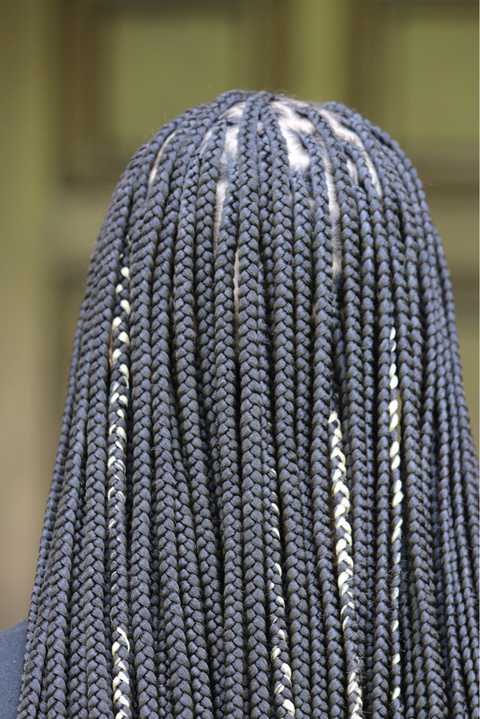
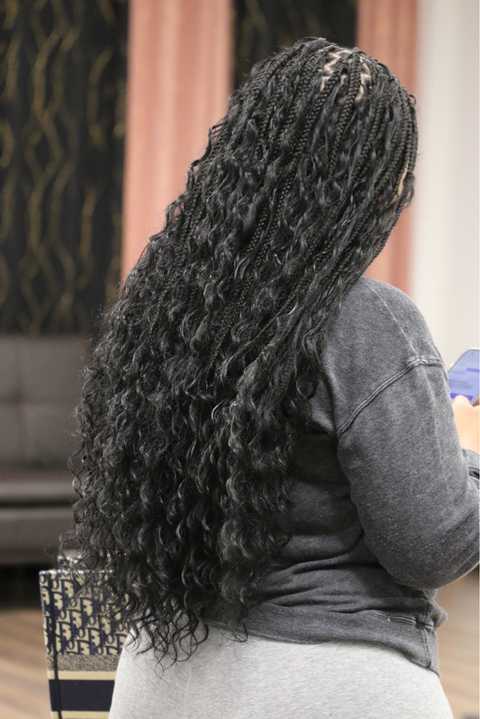
Boho knotless braids aftercare: first 48 hours and summer care
By ADJIA'S HAIR BRAIDING | August 4, 2026
Quick rule we want you to follow: don’t wet or tightly manipulate your Regular knotless for the first 48 hours. That “set time” is a big part of why your parts stay straight and your braids stay neat.
We’ve had people walk in last minute and leave with butt-length knotless braids they loved, and the same thing always stays true after you leave our chair. The first two days decide how long your Regular knotless stays clean-looking. In San Antonio heat, especially around Southwest San Antonio near the SW Loop 410 corridor by Lackland AFB, sweat and humidity can turn “fresh” into frizzy fast if you do too much too soon. This guide keeps it simple, time-saving, and realistic for busy schedules.
First 48 hours: let your Regular knotless set (and keep your hands off)
Your braids are secure when you leave, but the finish settles over the next couple days. We generally recommend you treat your scalp and parts like they’re “fresh pressed.” Minimal handling, no tight styles, and no water for 48 hours.
Do this right away
- Sleep in a satin bonnet or satin scarf. If you’re not a bonnet person, use a silk or satin pillowcase so your braids don’t drag and fuzz.
- Keep styling loose. A low ponytail, loose pineapple, or a simple half-up is fine. Skip slick buns and tight ponytails that pull your edges.
- Moisturize lightly. A lightweight braid spray or leave-in mist on the scalp is enough. Heavy oils can sit, trap sweat, and start that itchy feeling.
If you’re already sweating in this San Antonio summer heat: blot your scalp with a clean towel, then use a light scalp refresher (witch-hazel based or a diluted tea-tree option). Don’t drench your parts.
Exercise is the other big one. If you can, wait 48 to 72 hours before heavy workouts. If you have to move sooner, keep it low sweat, tie braids up loosely, and dry your scalp fully after.
Days 3 to 7: keep the neat parts and stop the frizz before it starts
A lot of our regulars come back because their parts stay straight, their braids look neat, and the style lasts a long time. The first week is where that “lasting” really gets protected. Think light maintenance, not constant fixing.
Your 5-minute daily routine
- Morning: quick scalp mist, then pat dry if you overdid it. Keep product off the braid length unless it feels dry.
- Midday: if you’re commuting around SW Loop 410 or on a military schedule near Lackland AFB, keep a small scarf in your bag. A quick wrap in the car helps stop friction and flyaways.
- Night: bonnet or scarf, then lay your edges gently. Don’t brush your edges like you’re styling loose hair.
What to avoid this first week
Don’t pick at your scalp with nails, don’t pile on thick grease, and don’t keep re-tightening ponytails. If your scalp feels tender, loosen the style and give it a day. Tight styling on top of fresh knotless is where headaches and edge stress tend to start.
Washing Regular knotless without puffing up your roots
When it’s time to wash, focus on your scalp and keep the braid length out of the “scrub zone.” We like a diluted, sulfate-free shampoo in an applicator bottle so you can place it right where you need it.
Step 1: Part your braids in 4 to 6 sections and clip them down. This keeps you from roughing up the roots.
Step 2: Apply diluted shampoo to the scalp, then use the pads of your fingers to cleanse. No nails.
Step 3: Rinse thoroughly, then squeeze excess water out of the braids with a towel. Don’t leave them damp. Dry completely to avoid odor and mildew.
If you’re dealing with chlorine or salt water, rinse as soon as you can. If you swim a lot in San Antonio summers, a swim cap plus a rinse after is your best friend.
Itching, sweat, and summer frizz: the products we actually see work
The goal is a calm scalp and a clean-looking root. You don’t need a shelf of products. You need the right type, used lightly.
- Lightweight braid spray or leave-in mist: moisture without buildup. Aim it at your scalp, not the whole braid.
- Witch-hazel scalp refresher: great on hot days when sweat makes you itchy. Use a little, then let it dry.
- Tea-tree option (diluted): can help with itch for some people. If you’re sensitive, skip it and stick to a gentle mist.
- Light oil for edges only: a tiny amount. Heavy oils on the scalp often backfire and start flaking.
Summer tip for Leon Valley, Balcones Heights, Castle Hills, Von Ormy, and Helotes: keep a small microfiber towel in the car or gym bag. Drying your scalp right after sweating does more for frizz than adding more product.
When to text us, when to come in, and the 6 to 8-week plan
A little scalp sensitivity the first day or two can happen, especially if you’re not used to braids. What we don’t want is you pushing through real tension. If your braids feel too tight, you’ve got bumps, or your edges are screaming, let us know quickly so we can guide you.
We’re known for neat work and straight parts, and we want your style to stay that way. People also come back because we’re responsive to questions and honest about what we can and can’t do. That matters when you’re on a tight schedule around Lackland AFB and you need answers fast.
Our timing guidance
- Plan maintenance around 6 to 8 weeks. That’s the sweet spot for keeping your roots neat without stressing your hair.
- A touch-up at six weeks can be a perfect refresh to carry you forward, especially if you’re trying to stretch the style for another month.
- If you’ve kept your braids in longer, don’t panic. Just be realistic. More new growth usually means more tangling at the base when it’s time to take them down.
Want the full picture before your next set? These guides help you plan:
Ready for your next install or a refresh? Call us at +12108128121 or email adjiashairbraiding@gmail.com. We’re in 1305 SW Loop 410, Unit 203, San Antonio, TX 78227, and we see clients across San Antonio, Leon Valley, Balcones Heights, Castle Hills, Von Ormy, and Helotes.